When you visit the dentist, you want clear answers about your oral health and the next steps. Modern dental technology makes this possible, especially when you can see what’s happening inside your mouth.
At Hassey Do Duy TK Dental, we use tools like intraoral cameras and digital dental X-rays to ensure accurate exams, efficient treatment planning, and patient safety. These tools help detect potential problems that might be missed with the naked eye and give you a better understanding of your smile. If you’re in Methuen, Lawrence, Lowell, or Southern New Hampshire, this technology can make dental care feel calmer, clearer, and more predictable.
Digital dental X-rays in Methuen: what they are and why your dentist uses them
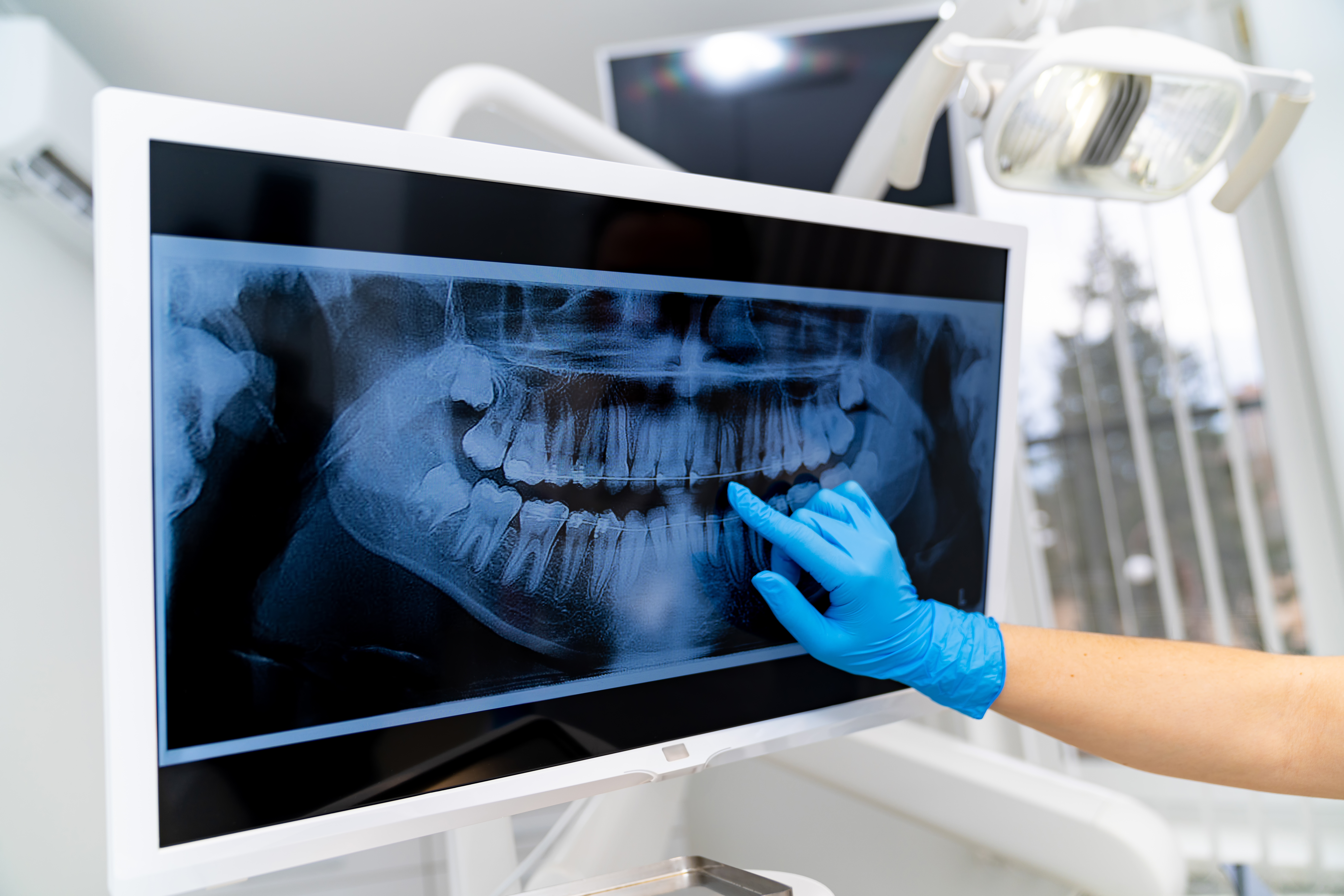
Digital X-rays use electronic sensors or phosphor plate systems instead of traditional film, creating digital files that your dentist can view immediately. This technology is now a standard of care in many dental practices because it provides fast, clear, and detailed images of your teeth and surrounding bone.
These images are crucial for detecting issues below the surface, such as cavities between teeth, infections at the root, or bone loss. At our Methuen office, Dr. Tanya Khawam, Dr. Edward Hassey, and Dr. Thinh Do Duy use digital imaging to evaluate alignment, check for decay, and assess the roots and bone structure. This helps you and your dentist make informed decisions, whether you need a filling or more advanced care like a root canal.
Are digital dental X-rays safe?
It’s normal to have concerns about radiation exposure. Digital X-rays use significantly less radiation than traditional film, making them a safer option. Your dentist also follows the ALARA principle—“as low as reasonably achievable”—to minimize exposure while still obtaining necessary diagnostic images. Protective measures like lead aprons are used when appropriate, and imaging is only recommended when it supports your oral health.
It’s also worth noting that we’re exposed to background radiation daily. Dental professionals prioritize your safety by reducing unnecessary exposures and using modern technology designed with patient safety in mind.
Key differences between digital radiography and traditional film
Digital X-rays offer several advantages over traditional film, including:
- Faster results: Images appear instantly, allowing your dentist to review them with you during your visit.
- No chemical processing: Digital systems eliminate the need for chemical processing, simplifying the workflow.
- Clearer viewing and storage: Digital images can be enlarged, stored, and compared over time to track changes.
- Lower radiation exposure: Digital radiography typically involves less radiation than traditional methods.
These benefits enhance communication, as your dentist can point to specific areas on the image and explain what they mean for your care.
What can dental X-rays detect that the naked eye can’t?
While visual exams are important, some issues occur in areas that aren’t visible, such as between teeth or under existing restorations. Digital X-rays help detect:
- Tooth decay between teeth and under old fillings
- Signs of gum disease or advanced gum disease
- Bone loss that could affect tooth stability
- Infections near the root that may require a root canal
- Other issues involving tooth roots and surrounding bone
Early detection often means more treatment options and a better chance of avoiding discomfort later.
Intraoral cameras: images of your teeth you can actually see
An intraoral camera is a small handheld device that takes high-resolution images inside your mouth. It captures detailed views of your teeth, gums, and other areas that are hard to see during a standard exam. This tool allows you and your dentist to look at the same images together, making it easier to understand your oral health.
For example, an intraoral camera can highlight a worn tooth edge, early decay, or irritated gums. These images become part of your digital records, making it easier to monitor changes over time. This technology also improves communication, as you can see exactly what your dentist is describing.
How digital imaging supports better planning for fillings, crowns, and more
Digital imaging provides reliable information that helps your dentist create a personalized treatment plan. For restorative dentistry, this is especially important. A small cavity might only need a filling, while a larger issue could require a crown. For more complex concerns, imaging can confirm whether a root canal is necessary.
With clear images from the start, your dentist can discuss treatment options and answer your questions. Digital systems also improve efficiency, reducing wait times and allowing you to focus on decisions that protect your oral health.
How often do you need digital dental X-rays?
The frequency of digital X-rays depends on your oral health history and risk factors. At Hassey Do Duy TK Dental, we often recommend annual X-rays during dental visits, but this can vary based on your needs.
Your dentist considers your current health, past dental work, and any symptoms you mention before making a recommendation. The American Dental Association supports individualized decisions rather than a one-size-fits-all schedule, ensuring care is tailored to you.
If you have questions about why an X-ray is recommended, we’re here to help. Clear communication is our priority, and we want you to feel informed at every step.
What to expect during your visit with digital X-rays and an intraoral camera
If you’re nervous about dental imaging, knowing what to expect can help. Digital X-rays involve placing an electronic sensor or phosphor plate in your mouth for a moment while the image is taken. Intraoral camera photos are captured with a small wand that moves gently around your mouth.
These tools are straightforward to use, and the biggest benefit is how quickly you can review the results. Your dentist can display the images on a screen, point out specific areas, and explain what they mean. This shared understanding often makes the visit feel more comfortable and collaborative.
Digital dental care for families in Methuen, Lawrence, Lowell, and Southern New Hampshire
We’re here to help you protect your family’s smiles with technology that supports prevention and early detection. Digital radiography and intraoral cameras are valuable tools for children, teens, adults, and older adults focused on maintaining healthy teeth over time.
If you’re in Methuen, Lawrence, Lowell, or nearby Southern New Hampshire, you deserve a dental team that combines modern technology with a calm, respectful approach. We’re always happy to welcome new patients of all ages and are honored to care for your oral health.
Ready to learn more about digital dental X-rays?
If you have questions about digital dental X-rays, radiation safety, or how intraoral cameras enhance your exam, contact Hassey Do Duy TK Dental. We’ll explain everything clearly, review any recommended imaging, and help you feel confident in your next steps. Schedule an appointment today!