Living with dental implants can feel like regaining a part of your life you didn’t realize you were missing. Missing teeth can change how you chew, speak, and smile. You might choose softer foods, cover your mouth when laughing, or feel unsure in conversations. If you’re in Methuen, Lawrence, Lowell, or Southern New Hampshire and need a long-term tooth replacement, implants offer a natural-looking, comfortable solution that supports oral health.
At Hassey Do Duy TK Dental, communication is key. If you’re considering a tooth implant, we’ll explain the process, treatment options, and proper care in a way that’s easy to understand.
Why missing teeth affect more than your smile
A missing tooth impacts how your mouth functions. Teeth work as a system, and losing one can cause adjacent teeth to shift into the gap. This movement can affect your bite and create areas where plaque collects, making oral hygiene harder.
Missing teeth can also lead to bone loss. Tooth roots stimulate the surrounding bone when you chew, but without a tooth, that stimulation decreases, causing the bone to shrink over time. This affects both the upper and lower jaw, influencing facial structure and the stability of future restorations.
How dental implants work (in everyday language)
A dental implant replaces the root of a natural tooth. It’s like an artificial tooth root securely placed in the jaw. Most implants use a titanium post because titanium is biocompatible and well-accepted by the body.
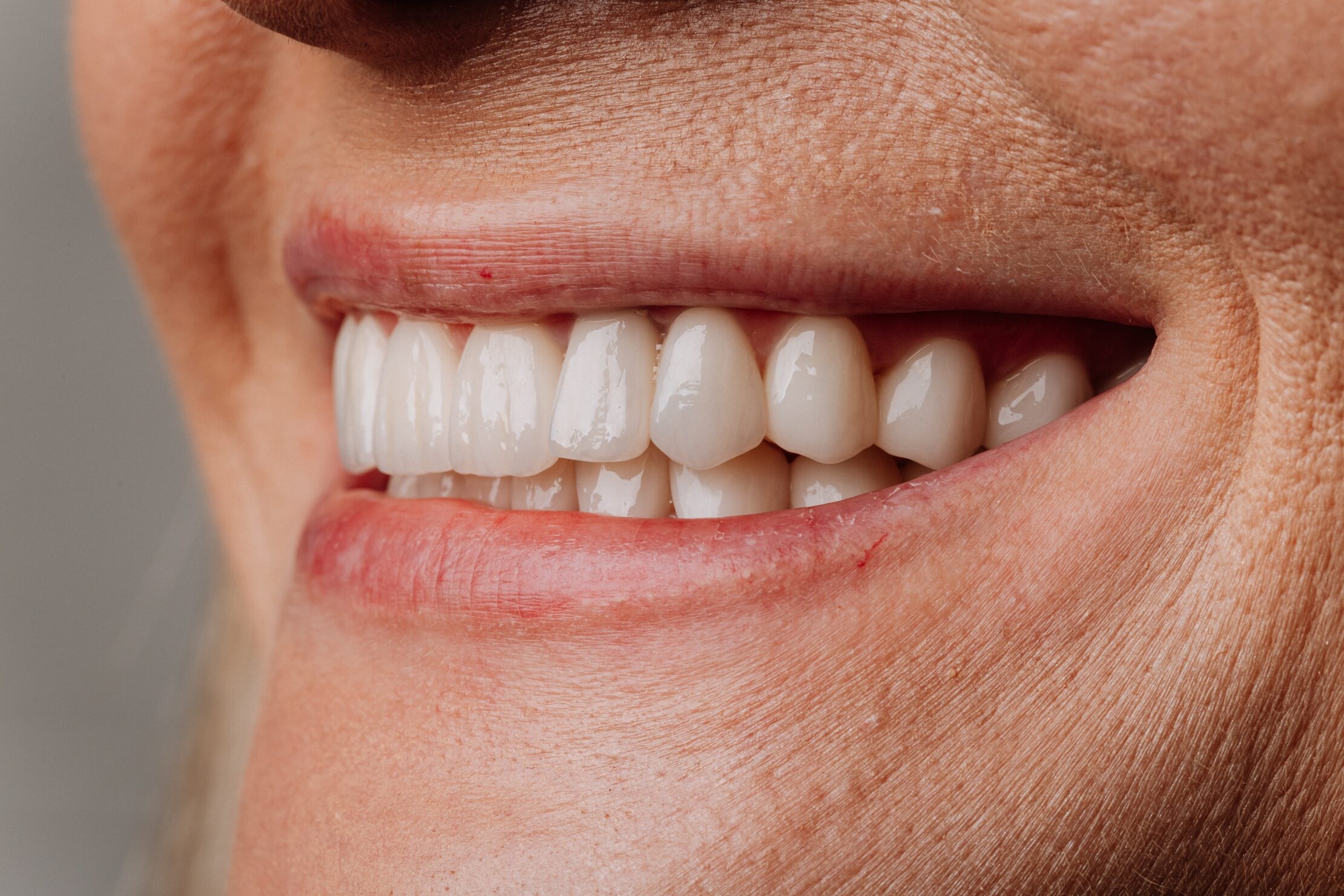
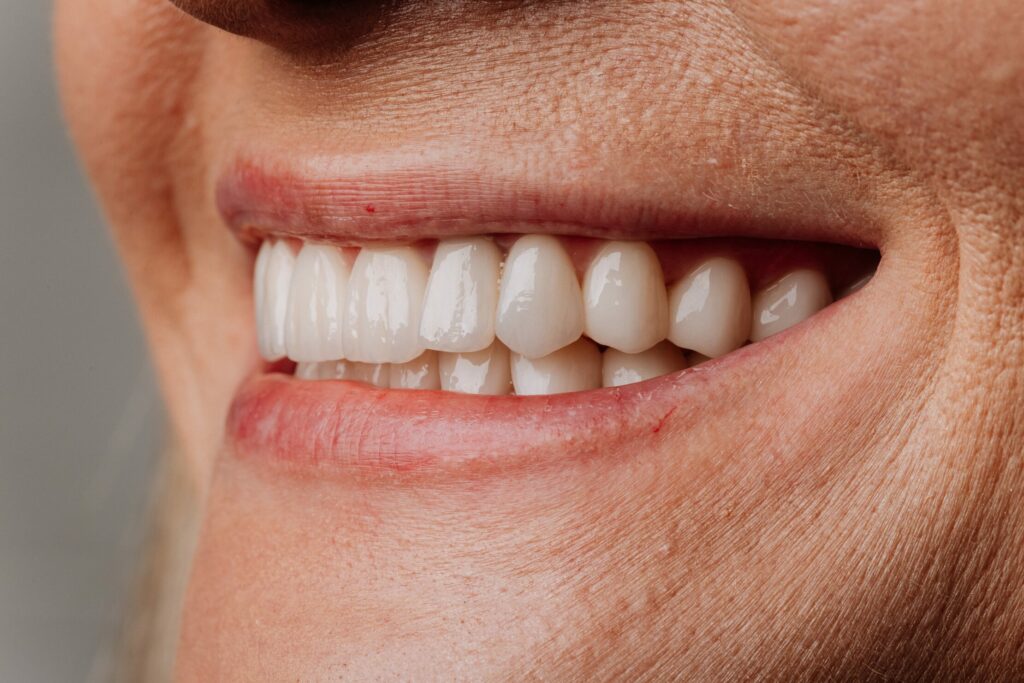
After healing, an artificial tooth is attached to the implant. This final restoration is designed to match your smile. Implants feel stable because they’re supported by the jawbone, unlike removable dentures that rest on the gums.
Is a dental implant procedure painful?
Most patients are relieved to learn that dental implant procedures are typically done with local anesthesia. Your dentist will discuss the best anesthesia option for your needs. During the procedure, you’ll feel pressure but not sharp pain. Afterward, some soreness is normal and manageable with the care instructions provided.
Recovery time varies based on your healing process, the implant site, and whether bone grafting is needed. If you’re nervous, let us know. We’ll explain the procedure, answer your questions, and help you feel confident.
Your consultation and treatment plan: what to expect
During your initial consultation, you and your dentist will determine if implants are the right option. We’ll review your medical history, examine your mouth, and assess your gums and teeth. Imaging, such as a CT scan, may be used to evaluate bone density and jaw shape, ensuring safe implant placement.
You’ll receive a treatment plan tailored to your goals, timeline, and oral health needs. Some patients need a single tooth implant, while others benefit from implant-supported restorations for multiple teeth. If you’re comparing options like fixed bridges, traditional dentures, or implants, we’ll explain them clearly so you can make an informed choice.
When bone grafting is part of the process
If a tooth has been missing for a long time, bone loss may have occurred. In such cases, a bone graft may be recommended to rebuild enough bone for stable implant placement. Bone grafting adds support, improving the implant’s long-term success.
While bone grafting extends the implant process, it can make implants possible for patients who thought they weren’t candidates. Your dentist will explain the procedure, how it supports surrounding bone, and your healing timeline.
The steps of dental implant surgery and restoration
Dental implant surgery is typically done in phases. Understanding these steps can ease anxiety. While each treatment is personalized, the process often includes:
- Planning and imaging: Exams, imaging, and CT scans map the implant site and confirm bone density.
- Implant placement: The titanium post is carefully positioned in the jaw, usually with local anesthesia or another suitable option.
- Healing period: The implant integrates with the bone during healing, providing strength and stability.
- Final restoration: After healing, the artificial tooth is attached to the implant. This restoration is custom-made for a natural look and fit.
In some cases, a referral to an oral surgeon may be necessary for complex needs. Your dentist will coordinate care and explain each step.
Dental implants vs other tooth replacement options
Choosing a tooth replacement depends on your goals and clinical needs. Fixed bridges restore function and appearance but may require shaping adjacent teeth. Removable dentures can replace multiple teeth but rest on the gums and may feel less secure.
Dental implants offer a different kind of support by replacing the tooth root. This helps protect surrounding bone and provides stability. Many patients appreciate that implants are cared for like natural teeth, with brushing, flossing, and regular dental visits.
Everyday benefits patients notice after implants
Patients often ask how implants will change their daily lives. While every smile is unique, implants can improve comfort and quality of life in practical ways.
Common benefits include:
- Easier chewing, even with firmer foods
- Clearer speech if gaps or dentures affected pronunciation
- A secure fit that doesn’t shift like removable options
- A natural look that enhances confidence in photos and conversations
- Greater self-assurance in social and professional settings
If you’ve been managing without a tooth, implants can feel like a refreshing, stable solution.
Caring for implants and lowering the risk of complications
Proper care protects your investment and health. Implants can last a long time with consistent oral hygiene and professional cleanings. Brushing, flossing, and regular checkups keep the gum tissue around the implant healthy.
Addressing habits that stress teeth and restorations is also important. If you grind your teeth, a mouthguard may be recommended. If you have gum inflammation, your dentist may suggest periodontal care to maintain stability around the implant.
While implant failure is uncommon, it can occur due to infection, poor hygiene, uncontrolled health conditions, or excessive bite forces. Follow-up care helps catch concerns early, making them easier to manage.
How trusted guidelines support safe implant care
Many patients feel reassured knowing implant dentistry follows established clinical standards. Organizations like the American Dental Association and the American Academy of Implant Dentistry provide guidance for safe, predictable care. Your dentist uses training, planning, and careful evaluation of your bone structure and health to recommend the best approach.
If you’ve had past dental work, such as extractions or wisdom teeth removal, share that history. These details help guide decisions and ensure a smooth implant procedure.
Your next step: a conversation that puts you first
If you’re ready to explore dental implants in Methuen, MA, we’re here to help. Whether you need a single tooth implant, want to replace several missing teeth, or are comparing options like fixed bridges or dentures, we’ll guide you with clarity and compassion. Contact Hassey Do Duy TK Dental to schedule your consultation, and let’s plan a path to a secure, confident smile.