
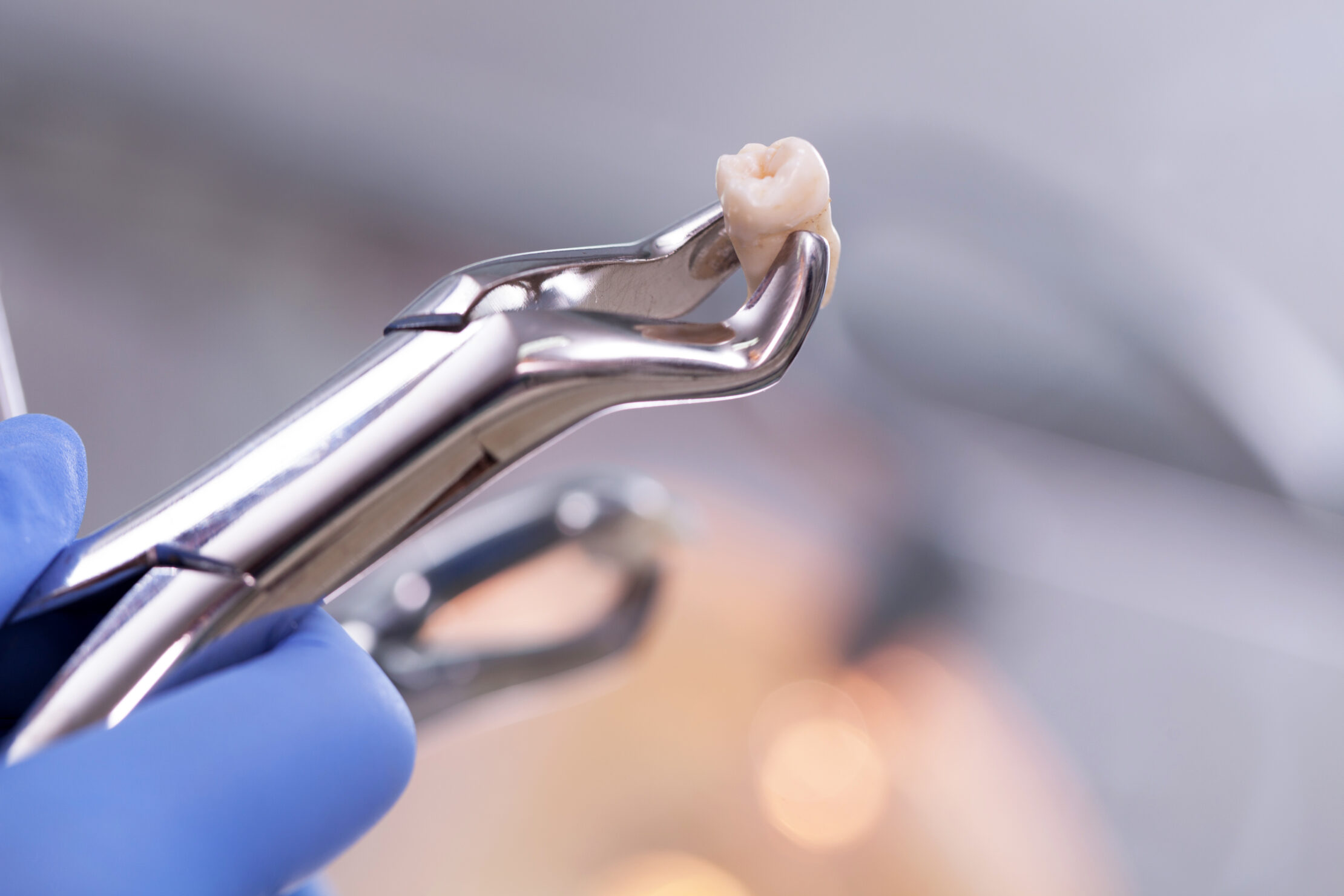
Hearing that you need a tooth extraction can bring up questions, especially about pain, swelling, or how long recovery will take. The good news is that most people heal well when they know what to expect and follow a clear aftercare plan. Your dentist will guide you through each step, explain everything in simple terms, and help you feel confident before you leave the chair.
This guide will help you prepare for the extraction process, understand what the first few days typically feel like, and learn how to protect the blood clot so your gum tissue can heal properly. If you live in Methuen, Lawrence, Lowell, or Southern New Hampshire, this practical information can make recovery much easier.
Why a tooth may need to be removed
Tooth removal is often recommended when keeping the tooth would harm your oral health. Severe tooth decay that weakens the tooth beyond repair is a common reason. Gum disease can also damage the structures supporting a tooth, making it unstable.
In some cases, tooth removal is part of a broader treatment plan. For example, orthodontic treatment may require removing a tooth to correct crowding. Your dentist will explain your specific situation and discuss replacement options if a missing tooth could affect your bite or function.
Simple extraction vs. surgical extraction
Not all extractions are the same, and understanding the type of procedure can ease anxiety. A simple extraction is used when the tooth is visible and can be removed in one piece with dental instruments. Local anesthesia ensures you feel pressure but no sharp pain.
A surgical extraction is needed for harder-to-reach teeth, such as impacted wisdom teeth or teeth broken near the gum line. This procedure may involve a small incision in the gum tissue, and the tooth may be removed in sections. In some cases, general anesthesia may be used, and your provider will review this with you.
Preparing for your tooth extraction appointment
Planning ahead helps your healing process start smoothly. Bring a complete medical history and a list of current medications so your dentist can plan safely, especially if you have conditions like an artificial heart valve or take medications that affect clotting.
Prepare your home by stocking up on soft foods, picking up recommended pain relievers, and clearing your schedule to avoid strenuous activity after the procedure. If prescribed antibiotics or other medications, take them exactly as directed and ask questions if anything is unclear.
What happens during the extraction process?
Your dentist will focus on keeping you comfortable and informed. First, you’ll receive local anesthesia to numb the area. If needed, your provider will discuss sedation options or general anesthesia.
For a simple extraction, the dentist will gently loosen and remove the tooth. For a surgical extraction, a small incision may be made, and the tooth may be removed in pieces to protect the surrounding bone. Afterward, a gauze pad will be placed over the site to support clotting. The blood clot protects the bone and nerves underneath and prevents an empty socket.
Avoiding dry socket
Dry socket occurs when the blood clot is lost or dislodged, exposing the tooth socket. This can cause severe pain a few days after the extraction, sometimes radiating to the ear. Your dentist will explain how to lower your risk with careful home care.
To protect the clot, avoid sucking through straws, smoking, or rinsing too forcefully. Follow your dentist’s instructions to keep the extraction site stable.
The first 24 hours: protecting the blood clot
The first day is crucial for healing. You’ll likely leave the office with gauze in place and instructions on when to change it. Remove the gauze gently to avoid disturbing the clot.
Swelling is common, especially with surgical extractions. Use an ice pack on your cheek in short intervals as directed. Rest, keep your head elevated, and avoid strenuous activity to control bleeding and stabilize the clot.
Managing pain during recovery
Some soreness is normal after tooth removal. Your dentist will recommend pain relievers that suit your situation. Many patients do well with over-the-counter medications, while others may need a short course of prescription pain medicine. Taking pain relievers on schedule can help maintain steady relief.
If you experience severe pain that doesn’t improve, contact your dentist. This could indicate dry socket, infection, or another issue that needs attention.
Eating and drinking after an extraction
Soft foods are key to a comfortable recovery. Choose options that don’t require much chewing and won’t get stuck in the extraction area, such as yogurt, mashed potatoes, scrambled eggs, and soups that aren’t too hot.
Drink plenty of water, but avoid using straws or consuming alcohol, which can interfere with healing. If food collects near the gum line, your dentist may recommend specific mouth rinses later in the healing process.
Brushing and rinsing: keeping the area clean
Good hygiene supports healing, but you’ll need to be gentle. Use a soft-bristle toothbrush to clean your teeth, avoiding the extraction site. Don’t scrub or poke the area where the tooth was removed.
Your dentist may recommend warm salt water rinses after the first day. These rinses can soothe tissues and reduce bacteria without disturbing the clot. Follow timing instructions carefully to avoid rinsing too soon or too forcefully.
How long does healing take?
Healing time varies depending on the tooth, the complexity of the extraction, and your health. Many people notice significant improvement within a few days. Gum tissue typically closes over the socket within one to two weeks, while deeper healing in the bone takes longer.
Simple extractions often heal faster, while surgical extractions or impacted teeth may result in longer-lasting swelling and soreness. Your dentist will let you know what to expect and when to follow up.
When to call your dentist
Contact your dentist if you experience heavy bleeding, fever, worsening swelling, or severe pain that doesn’t respond to medication. Also, call if you notice a bad taste, drainage, or signs that the extraction site isn’t healing properly.
If prescribed antibiotics, take the full course unless advised otherwise. If you have questions about medication interactions or side effects, consult your dentist before taking anything new.
Restoring your smile after tooth removal
For some patients, replacing the missing tooth helps maintain chewing function and prevents nearby teeth from shifting. Depending on the location of the extraction and your goals, your dentist may discuss options like dental implants, bridges, or dentures. If the extraction was part of orthodontic treatment, your orthodontic plan will guide the next steps.
Your dentist will review timing and options to ensure your oral health stays on track.
Supporting you before and after your appointment
If you’re preparing for a tooth extraction in Methuen, MA, or coming from Lawrence, Lowell, or Southern New Hampshire, Hassey Do Duy TK Dental is here to help. We provide clear communication and considerate care, explaining what to expect during the procedure and how to protect your healing site at home.
Contact us today to schedule an appointment or ask questions about tooth extraction, dry socket prevention, pain relief, and recovery. We’re here to help you protect your smile.